October 26, 2026
When Your Roof Needs a Closer Look: The Value of a Free Roof Inspection
By @freeroofinspectioninsider
I have spent enough years on roofs to know that most homeowners only think about their roof when something goes wrong. A drip in the living room, a dark stain on the ceiling, a sudden draft from the attic. By then the problem has usually been festering for months, sometimes years. The smart move is to catch issues early, and that is exactly what a free roof inspection is designed to do.
Let me walk you through what a proper inspection covers, why it matters beyond the obvious, and how to make sense of what you are told. I will also share some practical details about materials and installation that can help you ask better questions when the inspector shows up.
What a Free Roof Inspection Actually Looks Like
A good inspector does not just stand in the driveway and squint. They get on the roof if it is safe, or use a drone for steep slopes, and they check every component that keeps water out. That includes the roofing underlayment, the drip edge, the flashing around chimneys and vents, and every penetration where pipes or skylights break the plane. They also look at the soffit vent and ridge vent to make sure the attic is breathing properly. Stale, moist air trapped under the deck can rot wood and peel shingles from underneath.
A free roof inspection typically takes thirty to forty-five minutes for an average house. The inspector will take photos, note any areas of concern, and explain what they found in plain language. They will not pressure you into a decision on the spot. A reputable company offers the inspection as a no-obligation service so you have time to think, compare, and decide what fits your budget.
Why Free Inspections Are a Good Deal for Homeowners
Some people hesitate because they assume free means low effort or a sales trap. In my experience, the opposite is true. A company that offers a free roof inspection is confident that once you see the evidence, you will trust their recommendations. They are investing time upfront to build that trust. And if your roof is in good shape, they will tell you that too. I have seen inspectors recommend a simple cleaning and a light roof coating instead of a full replacement. That honesty keeps customers coming back years later when the roof finally does need work.

The other reason free inspections make sense is that small problems grow fast. A loose piece of flashing lets water trickle behind the gutter, where it soaks the fascia board and eventually the rafters. A cracked ridge vent lets in wasps and rain. A missing drip edge can lead to rot at the eaves. Catching these things early saves thousands in structural repairs. The inspection costs nothing, and the information alone is worth the time.
What to Look For on Your Own Roof
While you wait for the pro, you can do a simple ground-level check. Look for missing or curled shingles, dark patches that might indicate algae or moss, and any granules from asphalt shingles collecting in the downspouts. If you have slate shingles, check for cracks or pieces that have shifted. Slate is durable but brittle, and a single broken tile can let water through to the underlayment. For metal roofing panels, watch for rust spots near fasteners or at the edges where the coating has worn thin.
Inside the attic, look for daylight coming through the roof deck. That is a sure sign of a gap. Feel for damp insulation and check for stains on the rafters. If you see any of these, mention them when the inspector arrives. It helps them focus on the right spots.
Materials Matter: What a Good Roof Is Made Of
Roofing is not just about the top layer. The system includes the deck, the underlayment, the ventilation baffles, and the flashings. Each component has a job, and cheaping out on one can ruin the whole assembly. Manufacturers like GAF, Owens Corning, CertainTeed, and Atlas Roofing make high-quality underlayments that resist tearing and UV damage. Metal Sales produces excellent metal roofing panels that hold up in high winds. TAMKO and IKO offer a range of asphalt-based products that work well on moderate slopes. ECW supplies polyiso insulation, which provides a good thermal break and helps keep energy costs down.
Polyiso insulation is common in commercial and high-end residential work because it offers high R-value per inch. But it needs a proper cover board and a well-sealed vapor barrier to perform. Ventilation baffles, sometimes called air baffles, create a channel between the insulation and the deck so air can move freely. Without that channel, heat and moisture get trapped and the roof deck can delaminate.
For tile roofs, the tile underlayment is critical. It sits directly under the tiles and provides a secondary water barrier. If a tile breaks or lifts in a storm, the underlayment keeps the water out long enough for you to notice and call for repairs. I have seen houses with beautiful clay tiles but cheap underlayment, and after a decade they had rot in the deck because the underlayment had degraded. Do not skip on that layer.

How to Read a Roof Inspection Report
When the inspector hands you their findings, look for three things. First, the condition of the roof covering itself. Are there enough years left in the material to justify repairs, or is replacement the smarter path? Second, the condition of the flashings and edges. Third, the ventilation and insulation. These are often overlooked but they affect the lifespan of the whole roof.
If the report mentions minor issues like a few loose shingles or a cracked soffit vent, those are quick fixes. If it points to widespread granule loss, curled shingles, or signs of moisture in the deck, those are bigger concerns. A free roof inspection should give you a clear picture of where your roof stands, not a vague recommendation to replace everything. Ask questions. A good inspector will explain why they recommend one path over another.
Budgeting for Roof Work
Roof work is not cheap, but it is one of the best investments you can make in your home. A new roof adds value, improves energy efficiency, and protects everything inside. If the inspection reveals that repairs will extend the life of the existing roof by five to ten years, that might be the right move. If the roof is near the end of its service life, a full replacement is usually the better long-term value.
For built-up roofing, which is common on flat or low-slope roofs, the repair process is different. Built-up roofing consists of multiple layers of felt and bitumen, and it can often be patched effectively. But if the base layers have deteriorated, you may need to strip it down and start over. A good inspector will know the difference and explain the options.
Do not be afraid to get a second opinion. Most companies understand that a roof is a big expense, and they respect a homeowner who does their homework. The free roof inspection is a starting point, not the final word.
When to Schedule an Inspection
Twice a year is ideal: once in the spring after winter storms have passed, and once in the fall before the heavy rains and cold weather arrive. If you have had a hailstorm, high winds, or a tree branch fall on the roof, schedule an inspection right away. Even if you do not see damage from the ground, there could be hidden cracks or displaced shingles.
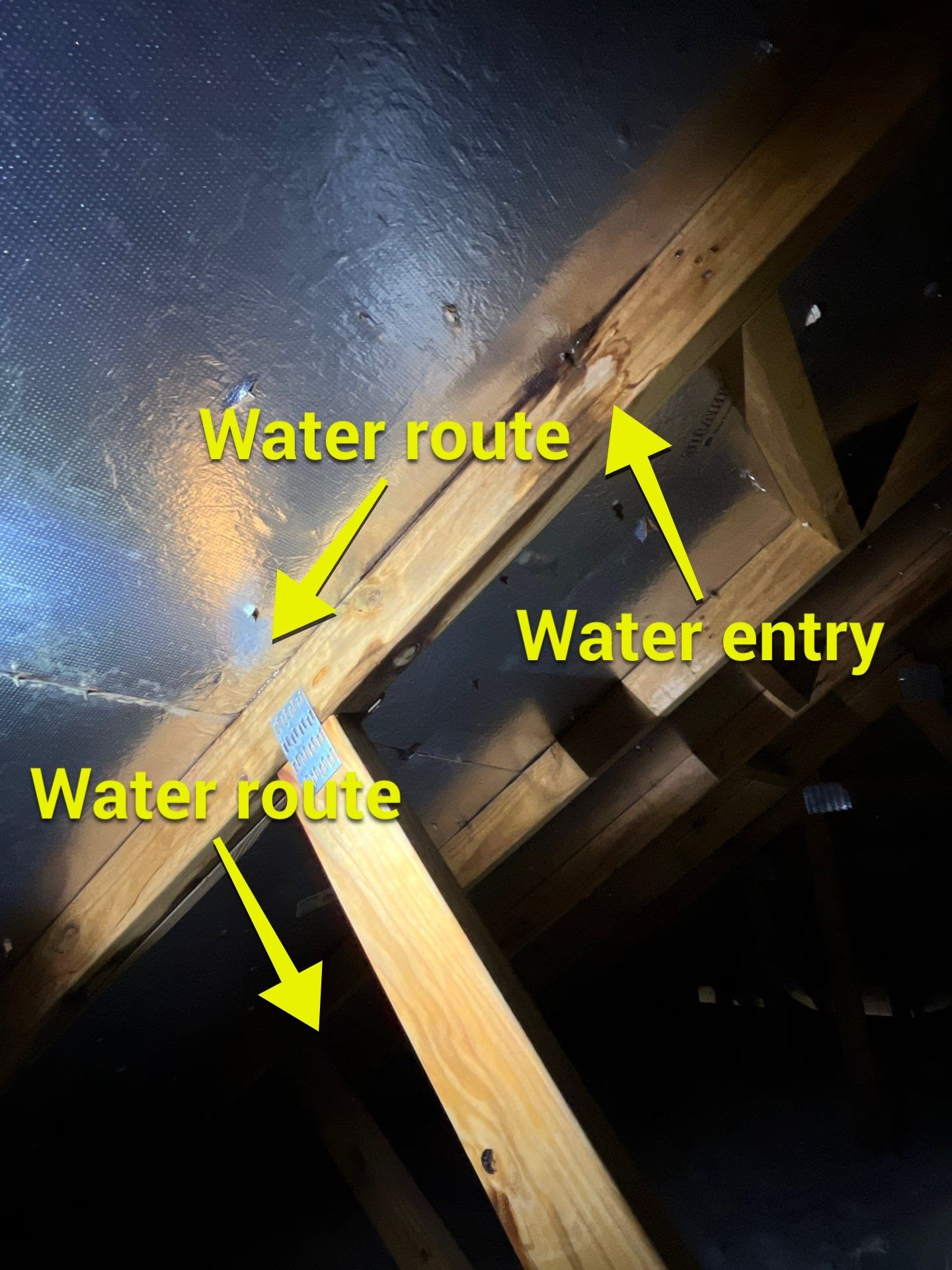
If you are buying or selling a house, a roof inspection is a smart part of the transaction. Buyers can request it as a contingency, and sellers can get ahead of issues that might come up in the home inspection. A clean report is a strong selling point.
Final Thoughts
Your roof works hard every day. It takes the sun, the rain, the wind, and the temperature swings. A free roof inspection is a simple way to make sure it is still doing its job. The information you get can save you from expensive surprises and help you plan your maintenance budget. And if the inspector finds nothing wrong, you sleep better knowing your roof is solid.
So the next time you see a sign for a free roof inspection, take them up on it. It is one of the few free services that actually pays for itself in peace of mind.
❧